


Floor Plans I Pricing & Cost I Design I Construction I Builders I Financing I FAQs I Modular Articles
|
|
|
|
|
|
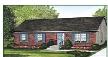
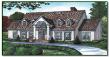
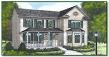
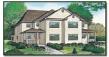
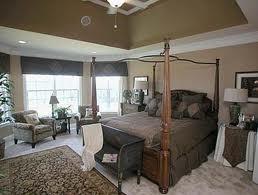
Construction The construction techniques used to build modular homes make them inherently energy efficient. The keys to an energy efficient home include: the thermal envelope (insulating, air tightness, windows and Doors); efficient heating system and water heating; moisture control; building lot orientation and shading; water conservation; size and location of the home; roofing materials and potential alternative energy sources - passive solar, active solar and space heating solar. Many modular home companies participate with the Department of Energy's ENERGY STAR® program. If you are building a modular home, having your home rated by a HERs rater is a smart decision. No matter the style, size of floor plan. |
Energy Efficient Options for Modular Homes |
Modular Home Thermal Envelope - The key to an energy efficient modular home is the home's thermal envelope. The thermal envelope includes the walls, ceilings and floors. If the home has cathedral ceilings, these planes are considered sloped walls. For the thermal envelope to be energy efficient it must be air tight and insulated. In addition to the thermal envelope being energy efficient, the windows and doors need to be high performance fenestrations to make the modular home energy efficient. |
Modular Home Insulation - Modular home manufactures primarily use fiberglass as a standard insulation. Some modular home companies offer spray foam, rigid insulation board and cellulose. It very important insulation is installed to the manufacture's directions. For insulation to perform correctly in your modular home and provide energy efficient modular homes, the insulation must be in contact with all six sides of the building cavity. |
Modular Home Air Sealing - Energy efficient modular homes are tightly constructed. The building techniques to build a modular home creates a super tight shell. After the home is set on the foundation, it important to air seal the marriage walls. |
Modular Home Moisture Control - A modular home must stay dry to be comfortable, healthy , durable and energy efficient. A building's thermal envelope is similar to a jacket. If the jacket has thick insulation, but no outside wind barrier, you'll be cold. If the jacket has no insulation, but a wind barrier you will be cold. If the jacket has both insulation and is air tight but soaking wet - you will be cold. The key to keeping a home dry is to keep water out and get the water out that has entered the home out. Exterior drainage planes and ventilation in the home is what keeps a home dry year round. |
Modular Home Heating and Air Conditioning Systems - If your modular home has an energy efficient thermal envelope your home will require a smaller heating and cooling system. Instead of spending money on size of the heating and cooling system, you should spend the extra money and purchase a more energy efficient heating and cooling system. Ask you HVAC guy to project energy consumption per year for a couple of systems. You will be able to weigh which home heating system will make the modular home the most energy efficient. |
Modular Home Hot Water Heating - After Heating systems, hot water is the biggest consumer of energy in a home. Insulating pipes and installing a high efficiency water heater will save you on your energy bills. If your building site is provided with gas, install an instant hot water heater. One friend of mine is switching to propane due to the transmission or delivery charge of natural gas for his hot water heater is higher than the fuel consumption bill. |
Shading and Shielding Modular Homes - Positioning the home on the building lot to take advantages of the natural heating from the sun in Northern climates is just smart. In the south where cooling is more important positioning the house to shade the home will lower cooling bills in the summer. In addition to shading the home, it is wise to use trees to shield the home from undesirable winds to save energy and make your modular home energy efficient. |
Home Size - The size of your modular is now going to determine how your home is rated as an energy star home. ENERGY STAR is allowing homes to be rated with a prescriptive and performance system. If your home is large with only a few bedrooms, you will have to have the modular home rated with a performance rating and be modeled with an ENERGY STAR approved home performance modeling software. |
Floor Plans I Pricing & Cost I Design I Construction I Builders I Financing I FAQs I Modular Articles
Spray Foam Insulation for PA Modular Homes
Pennsylvania modular home manufactures install fiberglass insulation in exterior wall cavities. Some manufactures insulate their ceilings with blown cellulose, a superior insulation (in my opinion) over fiberglass batts. Premier Homes, located in Muncy, PA use cellulose in their ceilings.
Now, Pennsylvania modular home companies can offer spray foam insulation in the exterior walls and a skim coat in the ceiling systems of the homes.
If you are a building or buying a Pennsylvania modular home, your can have spray foam insulation installed by the Energy Professionals LLC. The Energy Professionals offer open and closed spray foam insulation with after hours installation. EPI is located in Lock Haven, PA between Avis America (Avis, PA) Haven Homes (Wingate, PA).
EPI travels to Scranton, PA to service Signature Homes, Simplex and other modular home factories located in North East PA. Energy Professionals are able to travel to Selinsgrove, Mifflintown, Bloomsburg and other areas in central PA to install spray foam in your prefabricated home.
Spray foam insulation is relatively new to the modular home industry. The advantage to spray foam insulation is the insulation act as a thermal barriers and an air barrier to keep your home comfortable and energy efficient.
Energy Efficient Modular Homes
Homes earning the ENERGY STAR label are typically 30% more energy efficient than standard homes.
ENERGY STAR was created to help consumers easily identify products, homes, and buildings that save energy and money, and help protect the environment. As the government-backed, trusted symbol for energy efficiency, the ENERGY STAR label identifies highly efficient products and designates superior energy performance in homes and buildings.
Benefits of ENERGY STAR Qualified New Homes:
A Label Backed by the Government
All ENERGY STAR qualified new homes are certified by independent third party to meet EPA ’s strict guidelines for energy efficiency.
Lower Utility Costs - ENERGY STAR qualified new homes use substantially less energy for heating, cooling, and water heating. Homeowners can expect to save about $200-$400 annually on their utility bills.
Increased Comfort - The energy-efficient features of ENERGY STAR qualified new homes keep out excessive heat, cold, and noise, and ensure consistent temperatures between and across rooms —making these homes more comfortable to live in.
A Better Future - Millions of consumers who have purchased an ENERGY STAR qualified new home are helping to reduce our nation ’s energy needs and building a cleaner environment for the future.
Energy Efficient Modular Homes

Home Design
Windows / Doors
ENERGY STAR
Insulation
Moisture Control
Hot Water
Lighting
Water Conservation
The benefits to building and energy efficient prefab home includes: lower energy bills; comfort; durability; healthy indoor air to breath and knowing your home is less damaging to the environment.
Appliances
Shading / Shielding
Roofing
Insulation
Heating
Air Conditioning
Check List
Solar Energy
BioFuels
Air Conditioning
Thermal Envelope
Building Site
Personal Habits
Modular Home Thermal Envelope |
Your modular homes thermal envelope includes the walls, ceilings and floors. Improving your prefab homes thermal envelope has a number of benefits:
The elements of your homes thermal envelope include the framing, insulation, sheathing, drywall and air sealing. The thermal envelope of modular homes are superior over site built stick homes as per air tightness. |
Energy Efficient Thermal Envelope for Modular Homes |
Modular Home Windows and Doors |
Windows for modular homes provide egress and light into your home. The most energy efficient windows and doors are one of the least efficient components of a home. Windows provide lighting and natural ventilation to a home. Deciding on the type of window and the frame material will influence the efficiency of your home. The standard windows installed in modular homes are vinyl windows with low U-Values. In addition to vinyl windows, many modular home factories offer wood and fiberglass windows. |
Energy Efficient Doors and Windows for Modular Homes |
Modular Home Design |
The design of your modular home will affect your homes heating, cooling, lighting and even your water heating costs. A small modular home design will cost less to heat and cool, but taking into consideration in the design process the distance for mechanical equipment (hot water heating, heating systems, air conditioning systems and etc) will also influence modular home operation costs. Prefab homes can be designed to maximize the utilization of space. The energy efficient design of a modular home will take the following elements into consideration:
When designing a new modular home, using a HERs Raters and architects will increase the cost to build the home, but will lower the prefab homes overall energy consumption. |
Energy Efficient Modular Home Designs |
Modular Home Lighting |
The lighting in a modular home consumes around ten to fifteen percent of a homes energy. Installing compact fluorescent lighting and even better LEDs lighting in a modular home can cut total energy costs by five to seven percent. In addition to electric lighting, Solar light tubes can dramatically lower energy bills while brightening spaces without windows. Switching all of the light bulbs to CFLs can save on lighting costs. Installing hallogen lighting in a super energy efficient modular home could cut heating costs. |
Energy Efficient Lighting for Modular Homes |
Modular Home Roofing |
Modular home roofs that with light colors cut cooling cost in warmer climate zones. More and prefab homes are having metals roofs over the standard asphalt shingles. In addition to the roofing materials used to cover a modular homes roof is the overall design of the roof system. The type of roof will also influence the cost to heat and cool a home. G and I Homes in Upstate New York insulates the underside of all of the new homes they sell with spray foam insulation. |
Energy Efficient Roofing For Modular Homes |
Shading and Shielding Modular Homes |
If your building site for your new modular home has existing trees, it is best to minimize cutting the trees down. Shading a home with deciduous trees will lower air conditioning bills in the summer. In the winter evergreens on the Northern side of a home can help shield northern winds lower heating cost in the winter. In addition to shading and shielding your prefab homes with trees, landscaping can also help in shielding your home from energy robbing winds. |
Modular Home Shading and Shielding - Natural Energy Efficiency |
Modular Home Insulation and Air Sealing |
Insulation and air sealing your new modular home are the two most important components of your homes thermal envelope. Modular home manufactures offer fiberglass insulation, cellulose and spray foam insulation. The cost to upgrade your prefab home's insulation often will pay for itself in a short period of time. The savings you find by maximizing your homes insulation and minimizing air leakage can pay for the coveted granite counter top. |
Insulation Materials for Modular Homes |
ENERGY STAR and Modular Homes |
The ENERGY STAR program for modular homes is no different for modular homes as site built homes. The ENERGY STAR program is a voluntary program for builders to build homes to be at least 15% more energy efficient than a new modular home built to minimum energy code. The ENERGY STAR home is modeled or rated against a model home. The computer simulation helps builders identify cost affective thermal envelope enhancements, heating system installation, window orientation and more design elements of a prefab home. In addition to modeling your modular home pertaining to energy efficiency, Your new home will be inspected by HERs rater to insure the insulation in your home is installed correctly. Energy efficient modular homes are smart and so is the ENERGY STAR program. |
Modular Homes and ENERGY STAR |
Moisture Control for Modular Homes |
Controlling moisture in a new home is much easier than retrofitting an existing home. Moisture control includes:
A new home with systems to control moisture flows in a home will enhance comfort levels, minimize maintenance due to moisture damage, enhance indoor air quality and minimize the potential for ugly odors and potential mold problems. |
Modular Home Moisture Control |
Modular Home Appliances |
Often people who are building a new modular home will also purchase new appliances for the entire home. Buying energy saving appliance will help cut energy bills through out the year. And, ENERGY STAR labeled appliance will also help in lowering your HERs rating if you have your home rated as an ENERGY STAR home. Energy Star labeled washers and dryers can also cut water consumption and drying times (clothes dryers). When your home is being designed, it is wise to take into consideration the location appliances to minimize energy loss and maximize energy efficiency. |
Energy Efficient Appliances for Modular Homes |
Modular Home Water Heating |
Water heating consumes approximately 30% of a home's energy consumption. The type of water heating system will influence your hot water heating costs. In addition to the type of prefab home water heating system, the location, fuel and the insulation on the hot water pipes will influence your new homes water heating bills. Water heating systems will also influence your homes ENERGY STAR rating as well. By selecting an ENERGY STAR rated appliance some states and utilities will give cash and credit incentives. |
Modular Homes and Energy Efficient Water Heating |
Modular Home Heating |
The heating system you purchase for your new modular home will need to be weighed agains installation costs, operating cost, replacement costs and fuel type available. The size of your heating system will be heavily influenced by the prefab homes thermal envelope. A home with a super efficient thermal envelope will require a smaller and less expensive heating system. Modular homes can have all types of heating systems: both radiant heating and forced air systems. In addition to fuel based heating systems, take into consideration solar space heating and passive solar heating systems, |
Energy Efficient Heating for Modular Homes |
Modular Home Building Sites |
The building site for your modular home will influence your homes and your energy consumption. Shaded building sites will have lower air conditioning costs. Building sites that are in once upon a time cornfields will cost more to heat due to cold northern winds. The location of your home will also influence your energy consumption. If your building lot is located miles away from your daily activities, you will spend thousands of dollars a year for commuting to your activities. |
Energy Efficient Building Sites for Modular Homes |
Modular Home Solar Energy |
Many people are captivated by the idea of "free" energy from the sun. The reality is minimizing the requirements for energy is the key to an energy efficient home. Installing compact fluorescent lighting, LEDs, energy efficient appliances will save more money than a solar energy system will produce dollar to dollar. In addition a prefab home with a efficient thermal envelope will require less energy to heat and cool. Any home, modular or site built will require twice the number of solar space heating panels than a super energy efficient home. |
Solar Energy for Modular Homes |
Modular Home Water Conservation |
Water conservation is becoming more and more important. The cost to treat water is relative to the cost of energy. As energy bills increase so will water usage rates increase. Installing low consumption toilets and showers can save thousands of dollars over the life time of a home. In addition to minimizing water consumption, new modular homes can also incorporate water capturing systems such as rain harvesting for irrigation and cistern system for water supply. |
Water Conservation and Modular Homes |
Modular Home Air Conditioning |
Keeping your modular home comfortable in the summer often requires air conditioning systems. However if your prefab homes thermal envelope is energy efficient, you will be able to purchase a smaller air conditioning system. Shading your home will also help cut air conditioning costs. Installing additional insulation in attics will also help lower air conditioning costs in the summer. There are a number of air conditioning systems available for new homes. Window air conditioners, air source heat pumps and ground source heat pumps (geothermal) systems. Most forced air conditioning systems also provide some or all heating in all in one units. |
Energy Efficient Modular Home Air Conditioning |
Personal Habits |
No matter how energy efficient your modular home, you will have the biggest influence on your energy costs. A home that is built tight and insulated right will cost more to heat and cool than an inefficient home if you leave your doors open. In addition to consumption of energy lighting, appliance usage, and your life style will influence your home's energy consumption. |
You Make the Difference with Conservation |
Modular Home Wind Power |
Energizing your home with wind power is one of the last components to building an energy efficient home, The decision to install wind turbines for your modular home will be influenced by how much wind your building lot receives. It is best to review a wind map to identify if installing wind power is a smart investment. |
Wind Power for Modular Homes |
Modular Home BioFuels |
More information on Biofuel will soon be on the way |
Biofuels for Modular homes |
Modular Home Energy Efficient Check List |
Building an energy efficient home starts in the planning phase of building a modular home, energy efficient design is often a hodge podge effort. By enlisting the help of a HERs rater who will rate the home as the design changes will help make your home as energy efficient as possible. Our Modular Home Energy Efficient Check List will help you design your new home. |
Energy Efficient Check List for New Modular Homes |
Wind Power